🌱 Optimizing Projects Through Agile Thinking and Smart Governance
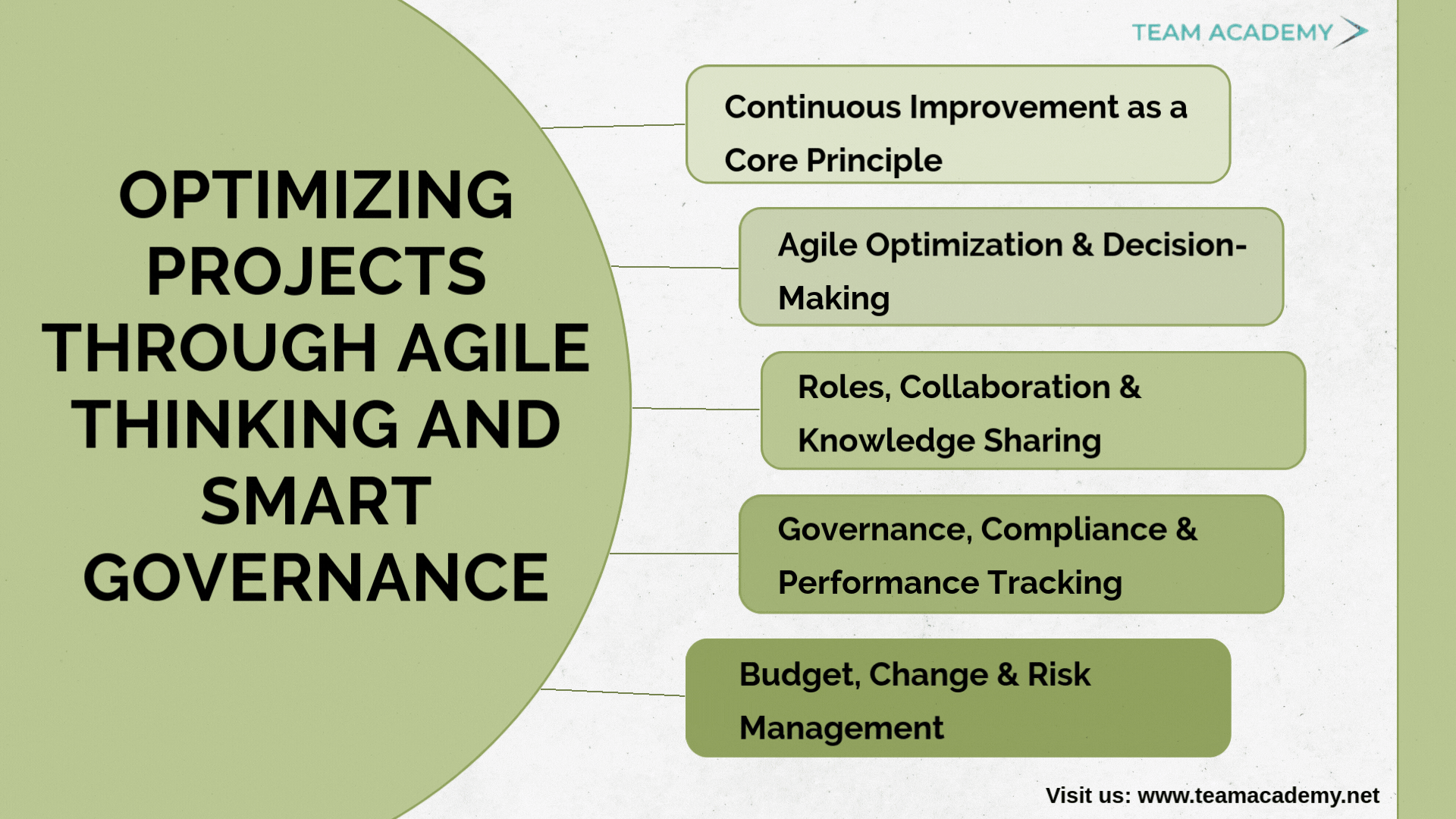
In today’s fast-changing business environment, successful project management goes beyond delivery—it requires continuous improvement, quality focus, and strong governance. This session provided a deep dive into how project managers can drive performance and value across predictive, Agile, and hybrid lifecycles, while ensuring quality, compliance, and risk control.
🔄 Continuous Improvement as a Core Principle
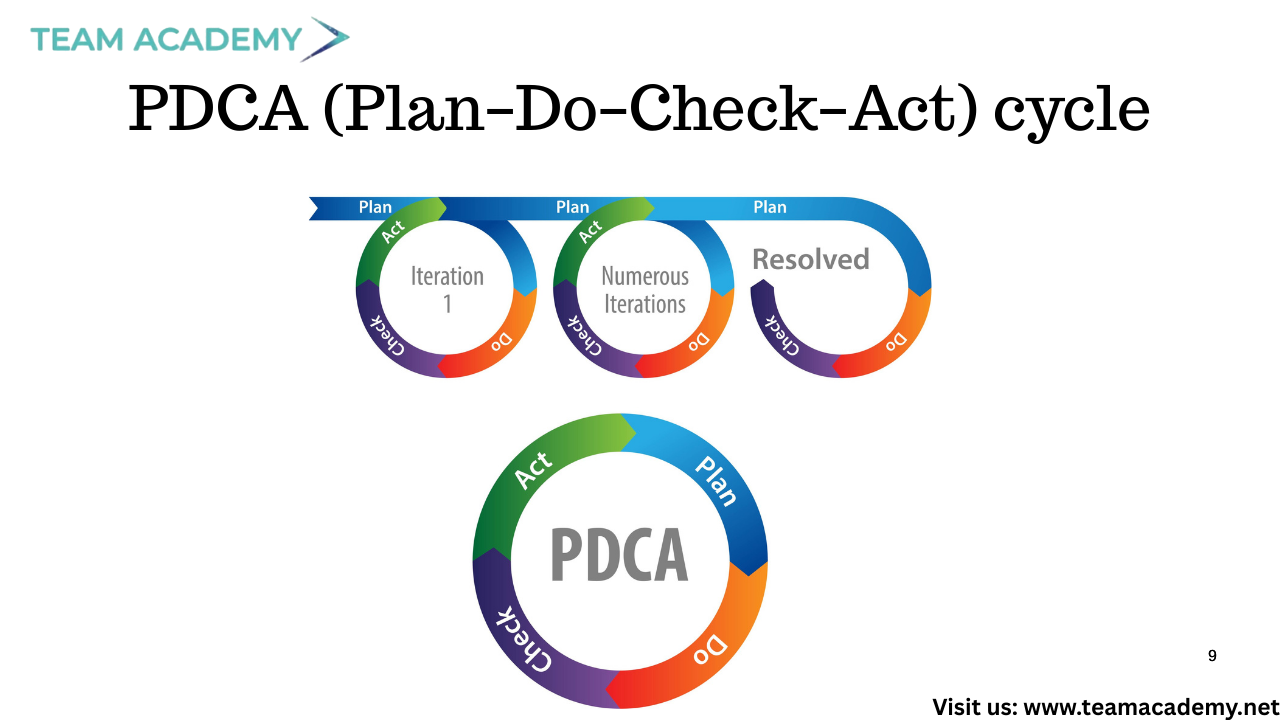
Continuous improvement was highlighted as the foundation of quality project management. Concepts such as zero-defect thinking, the PDCA (Plan–Do–Check–Act) cycle, and Kaizen were discussed as practical approaches to improving processes incrementally.
In predictive projects, improvement is achieved through process improvement plans that evolve as the project progresses.
In Agile projects, improvement happens through sprint retrospectives, where teams reflect, identify root causes, and commit to actionable changes.
Techniques like the 5 Whys and A/B testing were emphasized to encourage data-driven problem-solving and solution optimization.
⚙️ Agile Optimization & Decision-Making
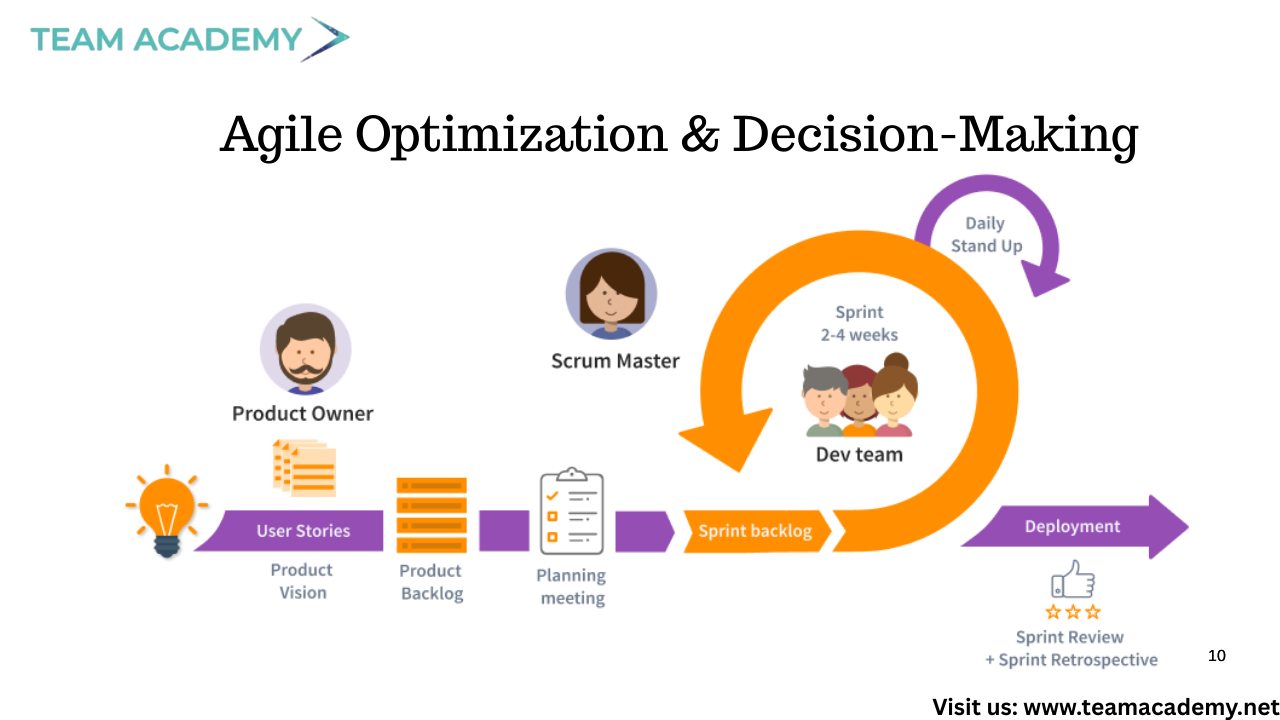
Agile methodologies promote a fail-fast and learn-fast mindset, encouraging teams to experiment, adapt, and continuously optimize outcomes. Tools such as Pareto analysis (80/20 rule) help teams focus on high-impact issues that drive the greatest value.
Decision-making thresholds were also discussed, explaining how:
Authority levels increase with problem severity
Project managers integrate scope, cost, schedule, and risk before escalating decisions
Hybrid projects require alignment between predictive governance and Agile delivery models
🤝 Roles, Collaboration & Knowledge Sharing
Strong collaboration is essential for project success. The session reinforced the importance of:
Servant leadership in Agile teams
Continuous stakeholder feedback after each iteration
Effective retrospectives for learning and improvement
Knowledge management played a key role, distinguishing between:
Explicit knowledge (documents, processes, systems)
Tacit knowledge (experience, insights, and judgment)
Both forms are critical and must be shared through workshops, documentation, mentoring, and training to strengthen organizational maturity.
🔐 Governance, Compliance & Performance Tracking
Effective project control requires structured governance and compliance. The session covered:
Data protection and security compliance
Monitoring scope, schedule, cost, quality, and resources
Differences between predictive baselines and Agile acceptance criteria
Performance measurement techniques such as value-based management, schedule variance, cost variance, and performance indices were explained to help teams track progress and forecast outcomes accurately.
Visual tools like burn-down charts, burn-up charts, and velocity charts were highlighted as essential for transparency and control.
💰 Budget, Change & Risk Management
Robust control mechanisms are vital for sustaining project value:
Budget management using EAC, ETC, and reserve analysis
Resource control to address productivity gaps and capacity issues
Change control through formal boards in predictive projects and backlog reprioritization in Agile environments
Risk management was addressed through:
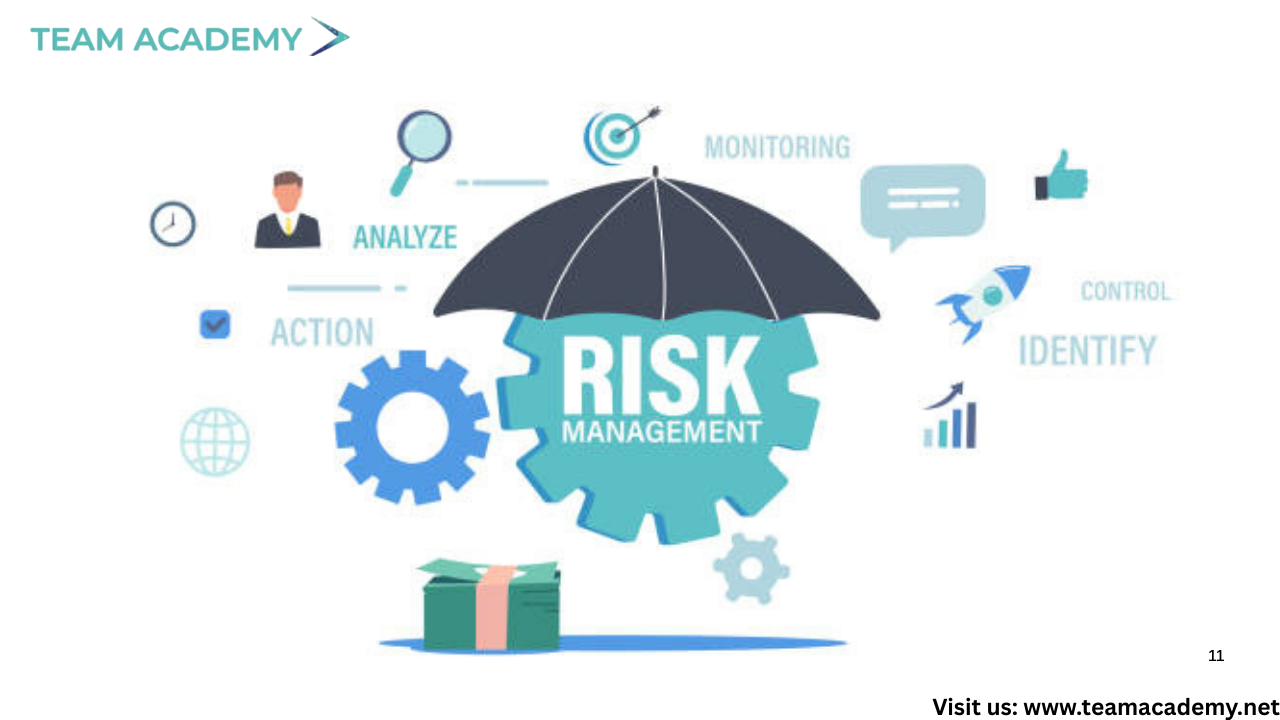
Risk reassessments and audits
Variance analysis and technical performance measurement
Regular risk meetings and updates to the risk register
🚀 Conclusion: Building High-Performance Projects
This session reinforced that high-performing projects are built on:
Continuous improvement
Clear roles and collaboration
Strong governance and compliance
Data-driven decision-making
Proactive risk and change management
By integrating these principles across all project lifecycles, organizations can deliver greater value, higher quality, and sustainable success 🌟
👉 Enroll in our Project Management Programs to master predictive, Agile, and hybrid approaches.
👉 Explore now to deepen your skills and stay ahead in your career