🏥 Leadership, Quality & Strategy in Healthcare: Building High-Impact Organizations 🌟
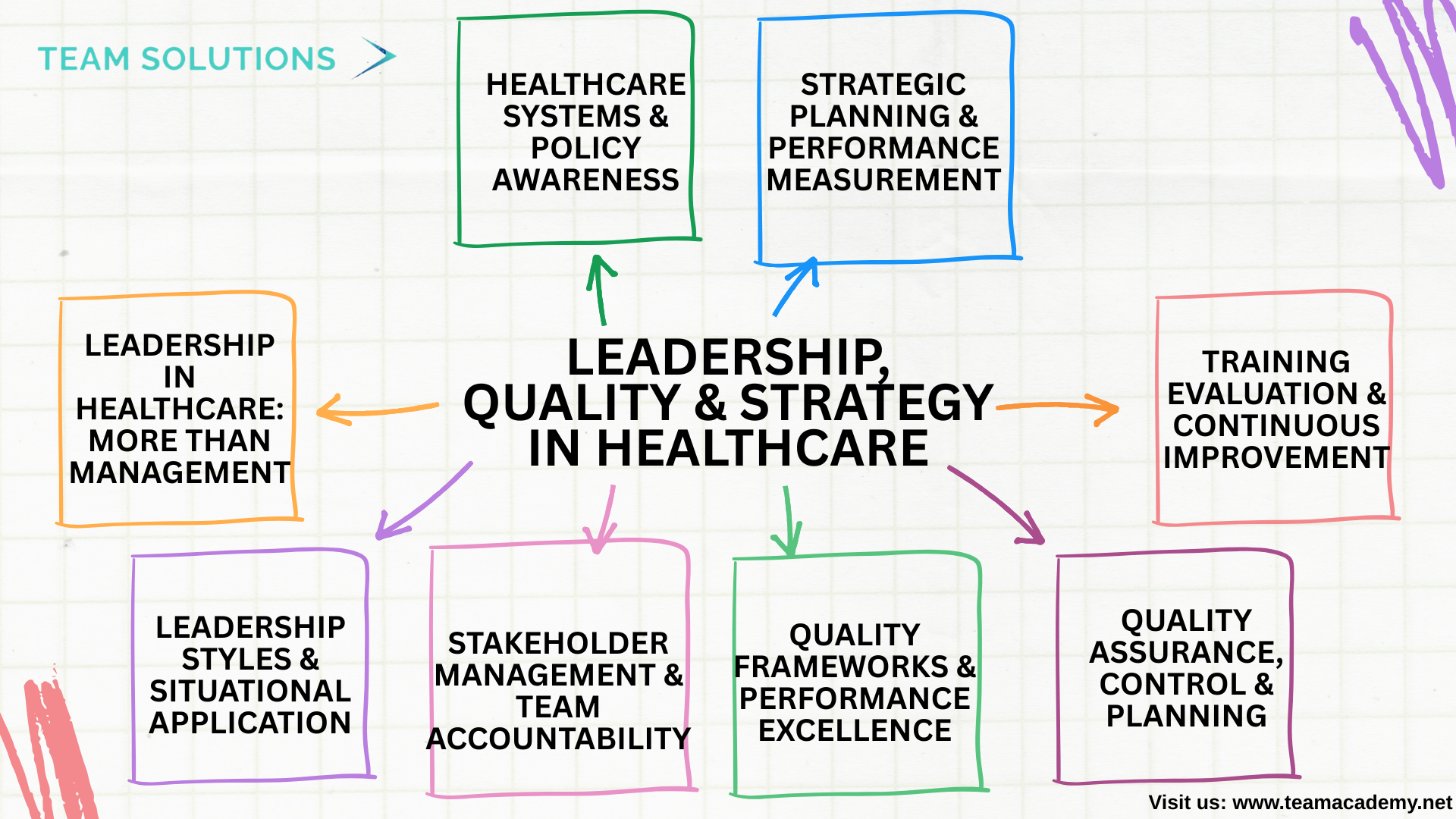
The fifth session focused on the critical role of leadership and quality integration in healthcare organizations, highlighting how effective leadership drives patient safety, compliance, and continuous improvement. Participants explored leadership styles, quality frameworks, stakeholder engagement, and strategic planning tools essential for healthcare quality professionals.
👩⚕️ Leadership in Healthcare: More Than Management
A key theme of the session was the difference between leadership and management:
Management focuses on planning, organizing, and controlling tasks 📋
Leadership focuses on inspiring, motivating, and influencing people 🌱
It was emphasized that not all managers are leaders, and strong leadership is essential for navigating complex healthcare environments.
🧭 Leadership Styles & Situational Application
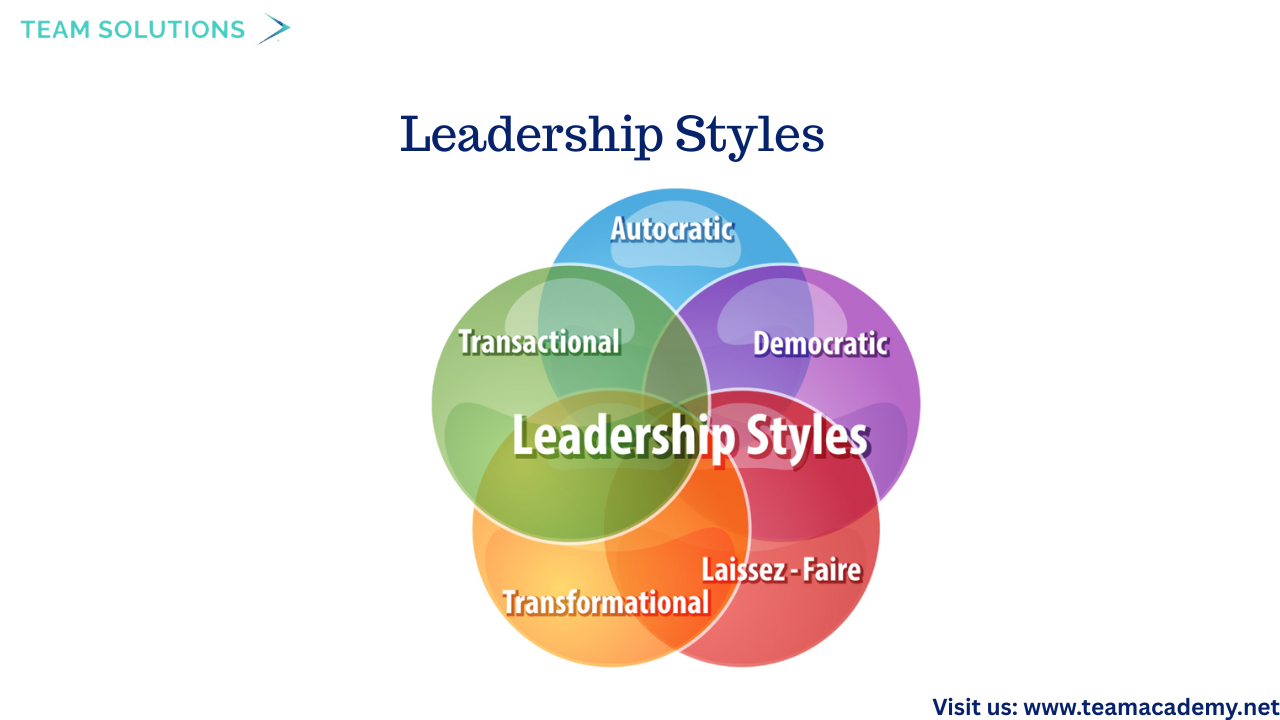
Participants explored multiple leadership styles and their relevance in healthcare:
🤝 Democratic leadership – Encourages team participation
🛑 Autocratic leadership – Useful in emergencies or crisis situations
🎯 Strategic leadership – Aligns operations with long-term goals
🔄 Transformational leadership – Drives innovation and cultural change
The importance of situational leadership—adapting leadership style based on context, team maturity, and organizational needs—was strongly emphasized.
🤝 Stakeholder Management & Team Accountability
Effective stakeholder engagement was highlighted as a cornerstone of successful healthcare projects. Participants learned to:
Identify internal and external stakeholders
Analyze stakeholder interest, influence, and impact
Communicate effectively to avoid risks and misunderstandings
Tools introduced included:
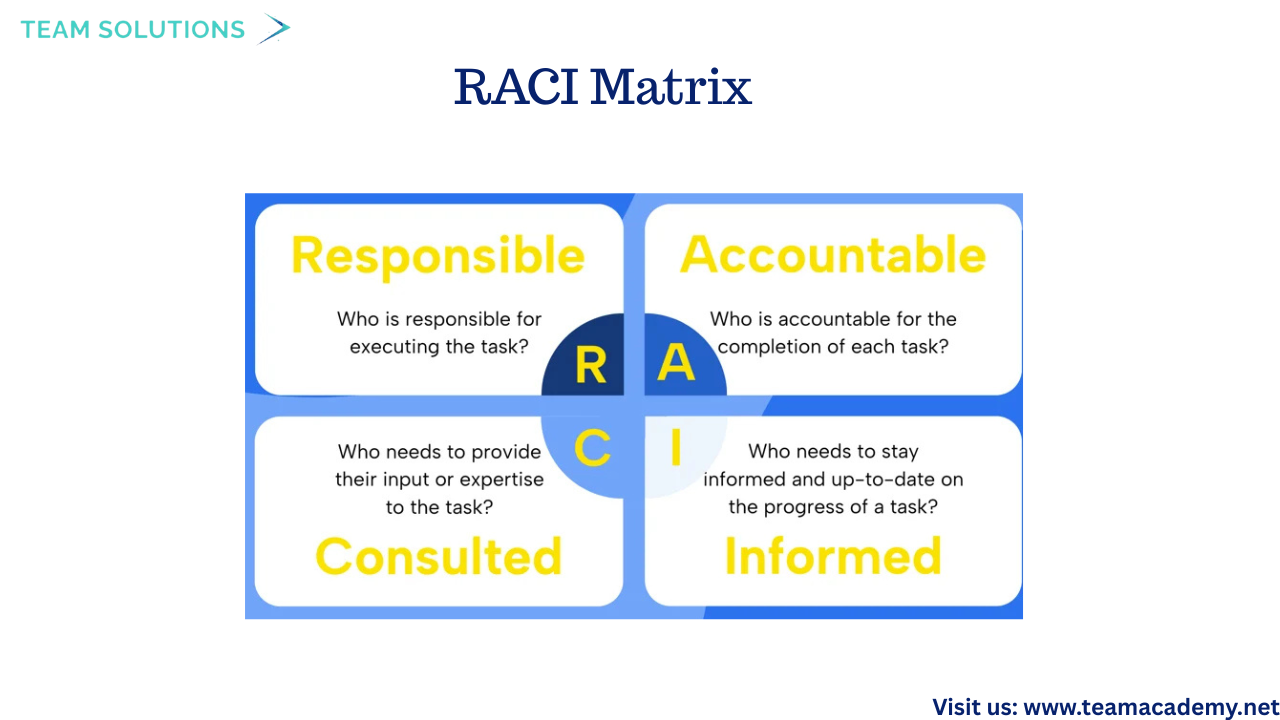
🧩 RACI Matrix (Responsible, Accountable, Consulted, Informed)
⏳ Eisenhower Matrix for prioritizing urgent vs important tasks
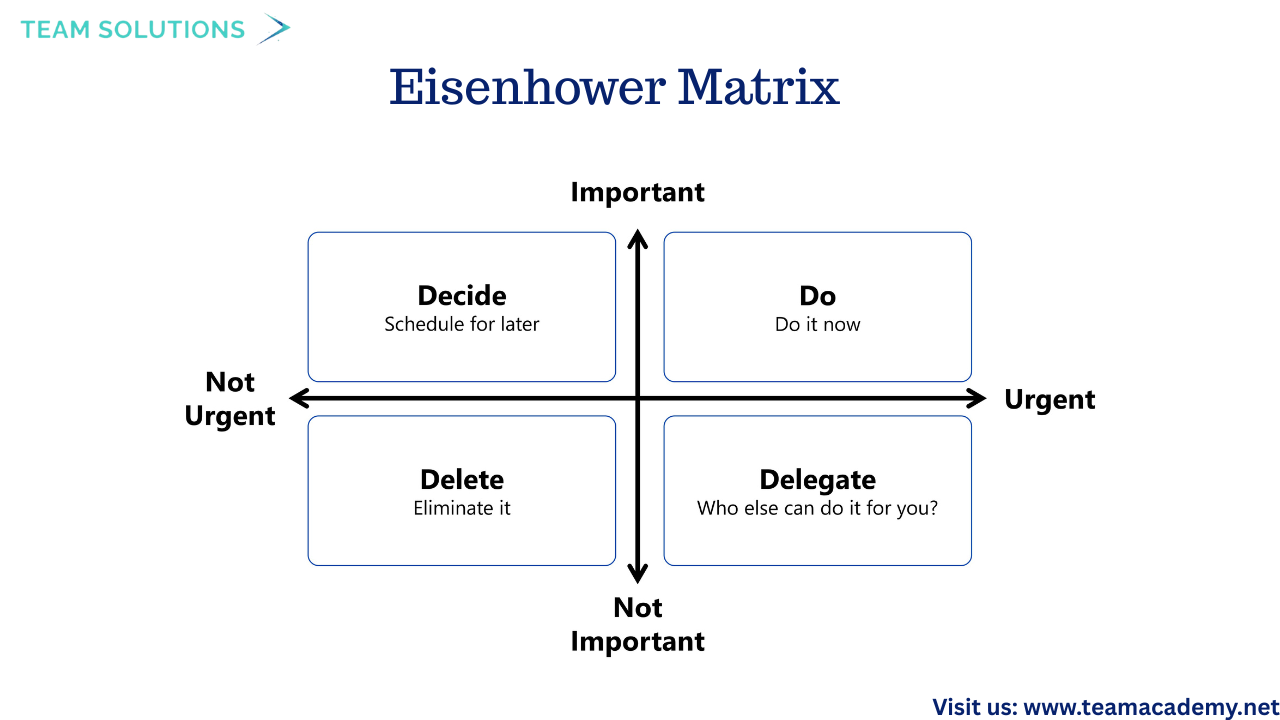
These tools help prevent burnout while ensuring accountability and clarity.
📊 Quality Frameworks & Performance Excellence
The session introduced globally recognized quality frameworks, including:
🏆 Baldrige Performance Excellence Framework
🎯 Triple Aim Model – Improving population health, enhancing patient experience, and reducing cost
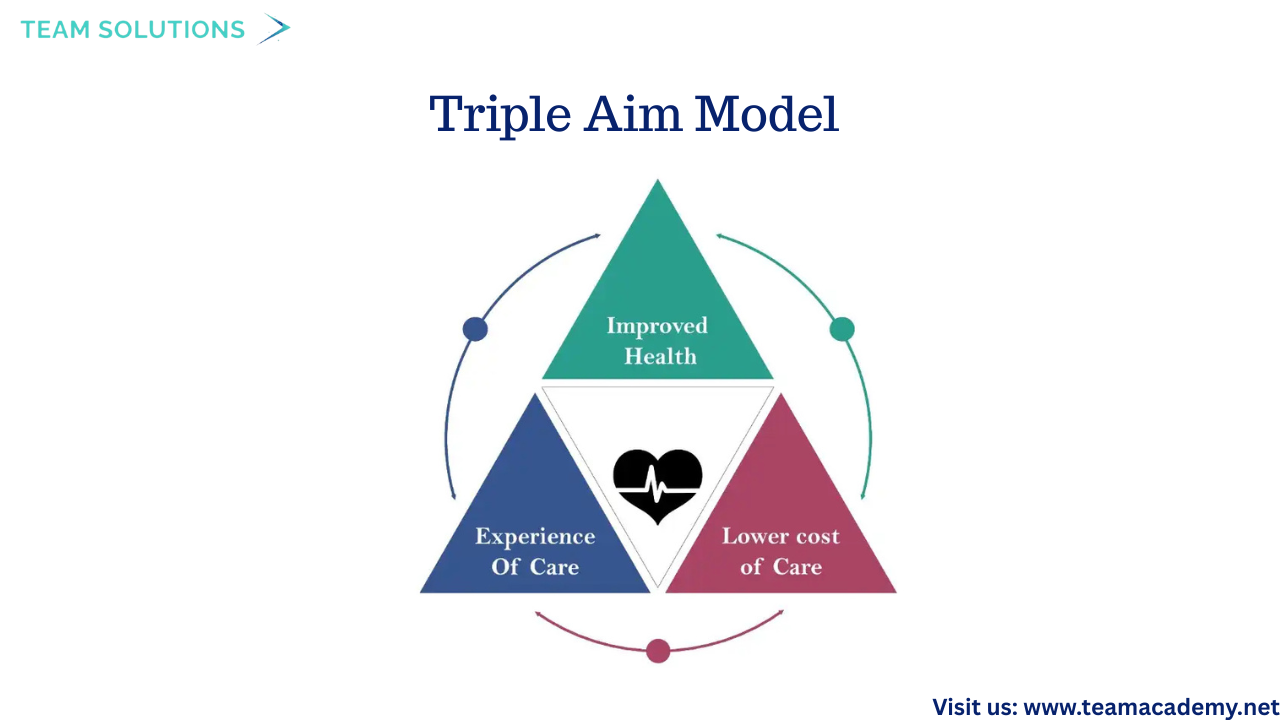
Participants discussed the shift from volume-based care to value-based care, emphasizing community engagement and cross-functional collaboration.
🧪 Quality Assurance, Control & Planning
Healthcare quality professionals play a vital role in maintaining standards through:
✔️ Quality Assurance (QA) – Ensuring processes meet standards
🔍 Quality Control (QC) – Monitoring outcomes and correcting defects
🗺️ Quality Planning – Designing systems to deliver consistent care
The session also covered compliance with:
Clinical practice guidelines
Documentation standards
Practitioner performance evaluations
🎓 Training Evaluation & Continuous Improvement
Participants were introduced to Kirkpatrick’s Four Levels of Training Evaluation:
Reaction 😊
Learning 📚
Behavior 🔄
Results 📈
This model helps quality teams assess the effectiveness of training programs and ensure real-world impact.
🧠 Strategic Planning & Performance Measurement
Strategic planning concepts included:
🧩 Defining goals and objectives
🔍 Environmental assessment
🤝 Stakeholder engagement
📈 Evaluation and improvement
Key tools discussed:
SWOT Analysis (Strengths, Weaknesses, Opportunities, Threats)
-
Balanced Scorecard measuring:
Financial performance 💰
Internal processes ⚙️
Customer satisfaction 😊
Learning and growth 🌱
🏥 Healthcare Systems & Policy Awareness
The session concluded with an overview of Medicare and Medicaid, explaining their differences and why understanding them is important for healthcare quality professionals—especially in areas like compliance, reimbursement, and pay-for-performance models.
🌟 Key Takeaways
Leadership is essential for healthcare quality and safety 🏥
Effective leaders adapt styles based on situations 🔄
Quality professionals bridge strategy, compliance, and performance 📊
Continuous improvement requires strong frameworks and stakeholder engagement 🤝
This session reinforced how leadership excellence and quality management work together to create safer, more effective, and patient-centered healthcare systems. 🌍💙
👉 Join our Free Demo Class and start your journey toward becoming a certified healthcare quality professional!
👉 Enroll in our Certified Professional in Healthcare Quality (CPHQ) preparation course to level up your career.
👉 Explore Now and start transforming your healthcare practice today