🏥 Designing Powerful Data Models in Power BI for Healthcare Analytics
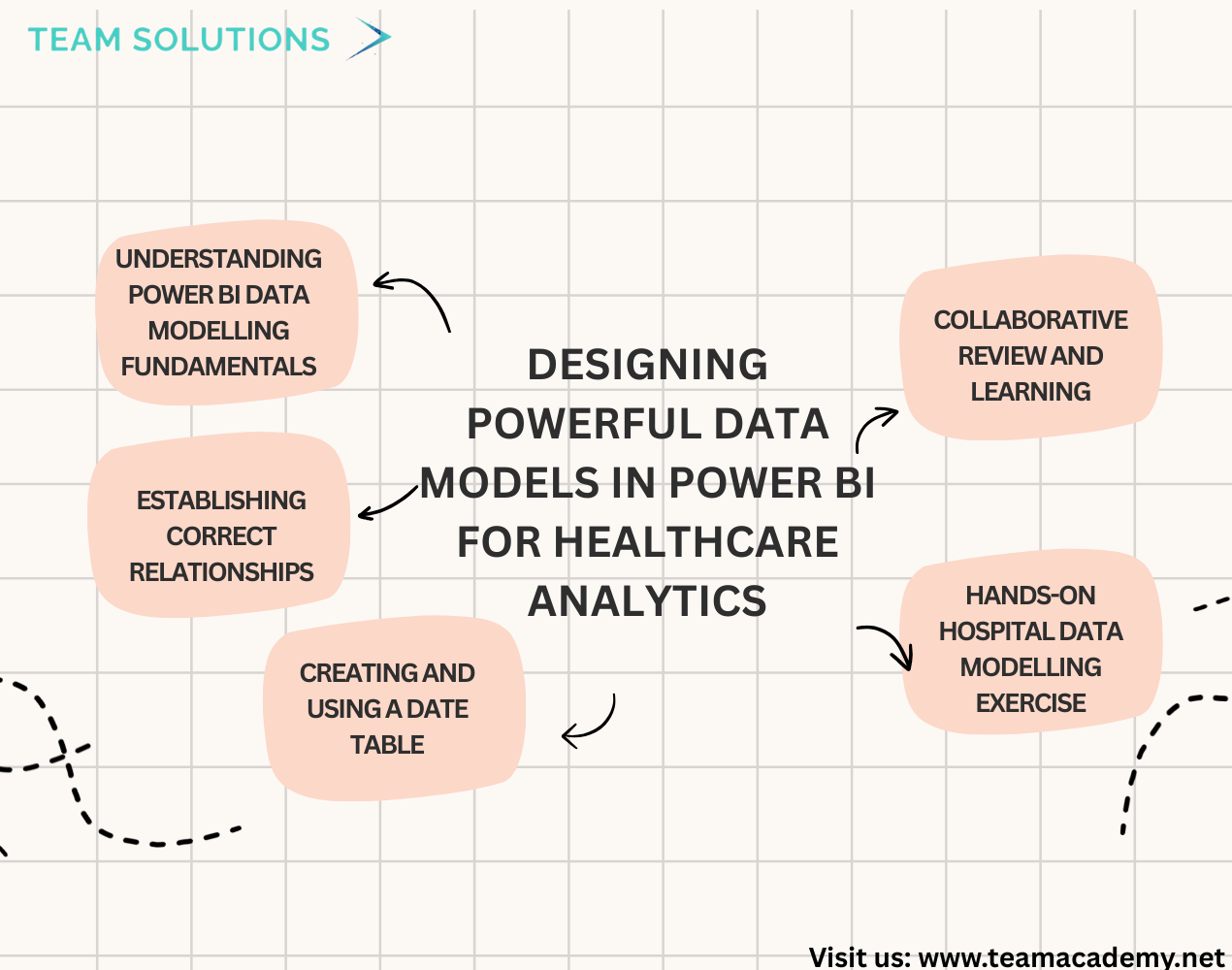
Data modelling is the backbone of meaningful analytics, and this session focused on helping participants design strong, logical data models in Power BI using a real-world hospital patient records case study 📊.
🧠 Understanding Power BI Data Modelling Fundamentals
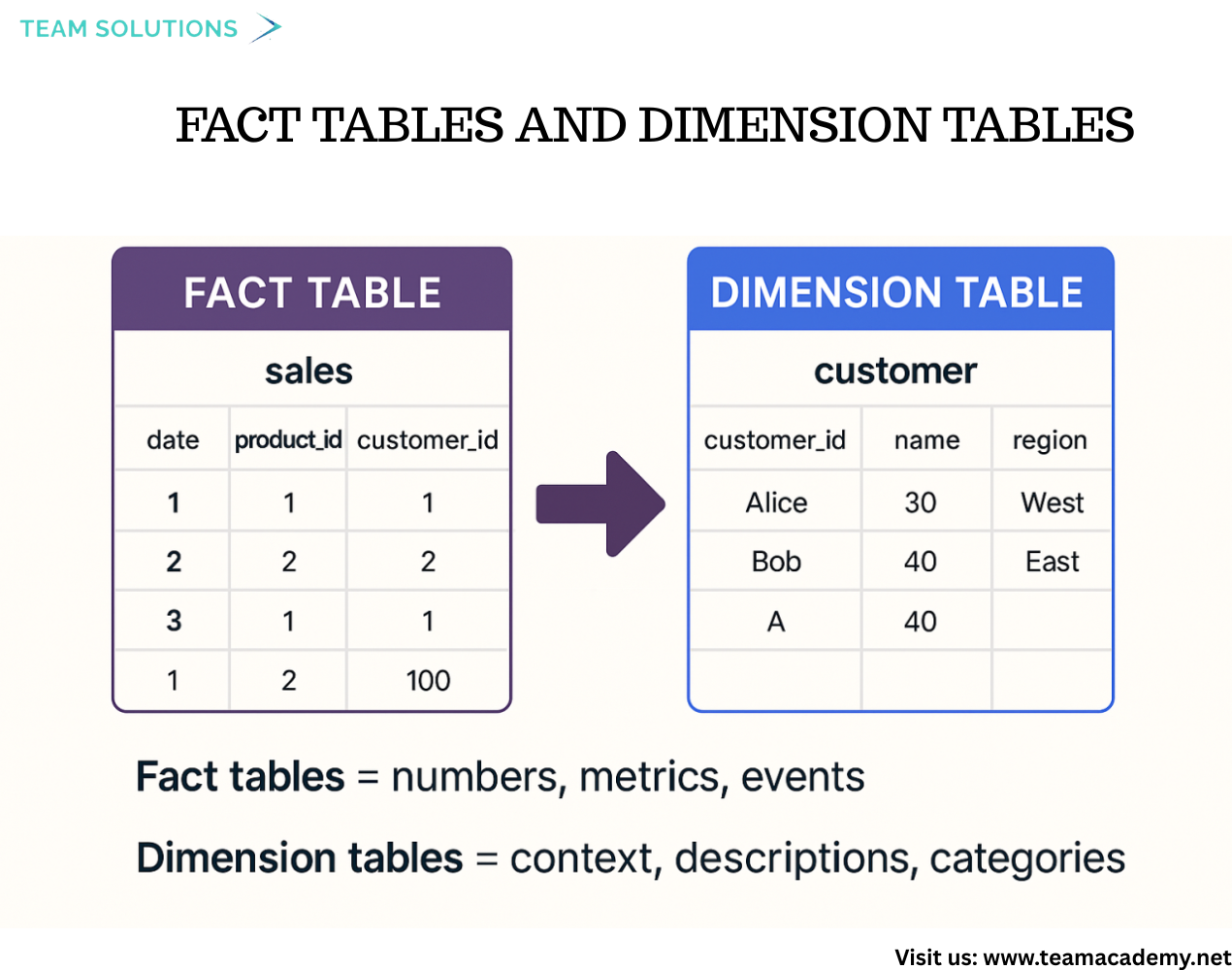
The session began with an introduction to fact tables and dimension tables, explaining how transactional data (facts) and descriptive data (dimensions) work together to support analysis. Participants learned why unique identifiers (primary keys) are critical in dimension tables and how they connect to foreign keys in fact tables to create reliable relationships 🔗.
A key takeaway was that Power BI models should be driven by data structure, not just reporting requirements—ensuring scalability and accuracy as business questions evolve.
🔁 Establishing Correct Relationships
Participants practiced creating relationships between tables, with strong emphasis on:
Many-to-one relationships (many records in the fact table, one record in the dimension table)
Avoiding ambiguous or incorrect relationship types
Understanding that column names don’t need to match, as long as the values align correctly
This helped reinforce logical thinking and reduced common modelling mistakes that can lead to incorrect results.
📅 Creating and Using a Date Table
To enable time-based analysis, the session included a walkthrough on creating a date table using DAX 🗓️.
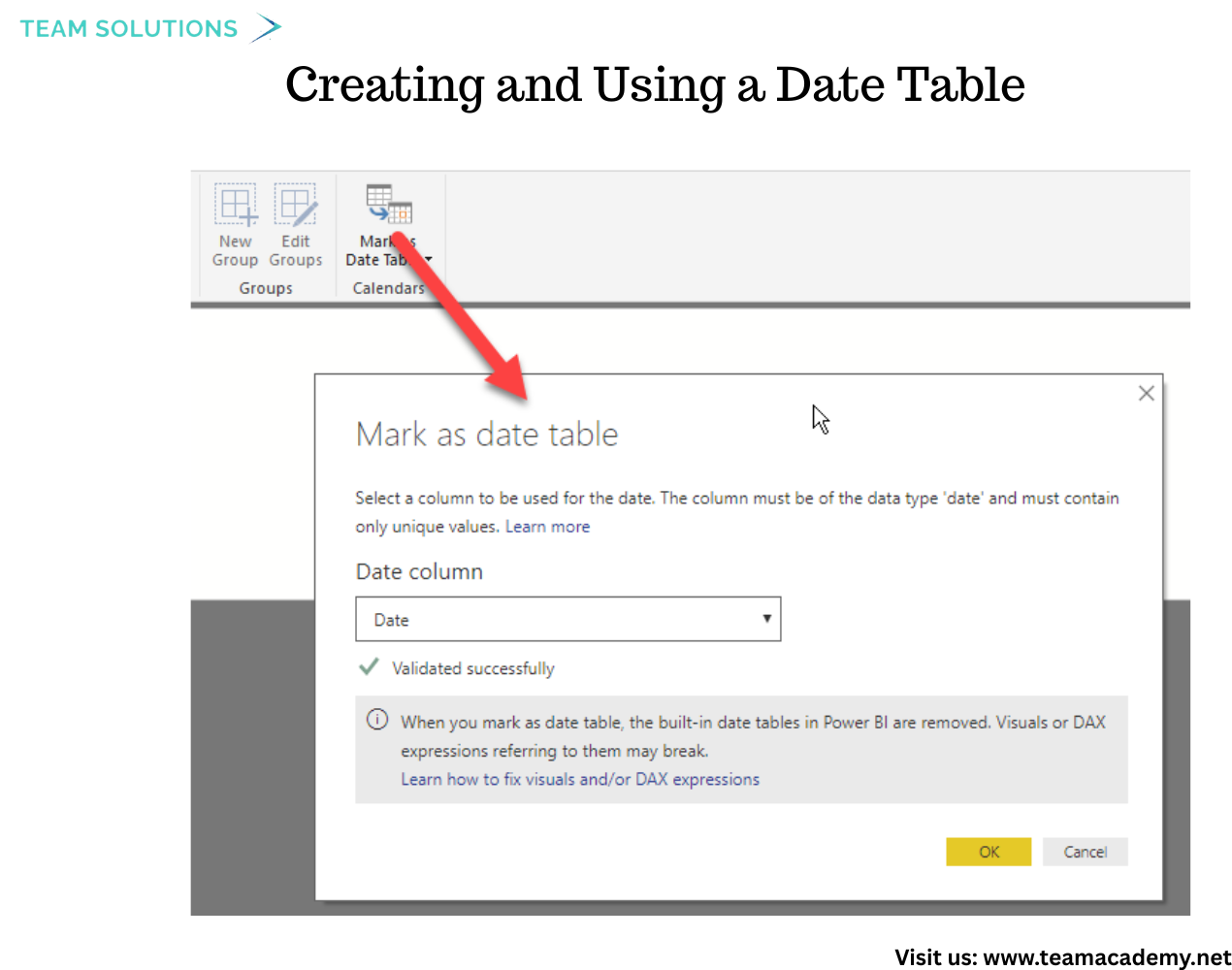
Participants learned how to:
Build a reusable date dimension
Link multiple date fields (such as order, required, and shipped dates) to a single date table
Prepare the model for time intelligence calculations
This step is essential for trends, comparisons, and performance analysis over time.
🏥 Hands-On Hospital Data Modelling Exercise

Using a detailed hospital dataset, participants worked through a practical lab exercise that involved:
Importing five Excel sheets
Cleansing and validating data
Using a data dictionary to identify correct keys
Connecting patient, encounter, and procedure tables logically
The exercise encouraged participants to think like data modellers, not just Power BI users, strengthening their analytical mindset 💡.
🤝 Collaborative Review and Learning
After completing the exercise, participants shared their progress and challenges. Common issues—such as difficulty identifying relationships or connecting patient data—were reviewed and clarified. This collaborative feedback helped reinforce best practices and build confidence in applying data modelling concepts independently.
🚀 Key Takeaways
By the end of the session, participants were able to:
Design clean fact and dimension tables
Identify and apply primary and foreign keys correctly
Build many-to-one relationships confidently
Create and integrate a date table for time analysis
These skills form a strong foundation for advanced DAX, visualization, and certification preparation, and are essential for building professional Power BI solutions.
✨ Final Thought:
Strong dashboards start with strong data models. Mastering relationships, keys, and structure allows Power BI users to unlock accurate insights—especially in complex domains like healthcare.