🎯📘 “Inside the Modern PM Toolkit: Agile Skills, Team Dynamics & Smart Decision-Making”🤝🚀
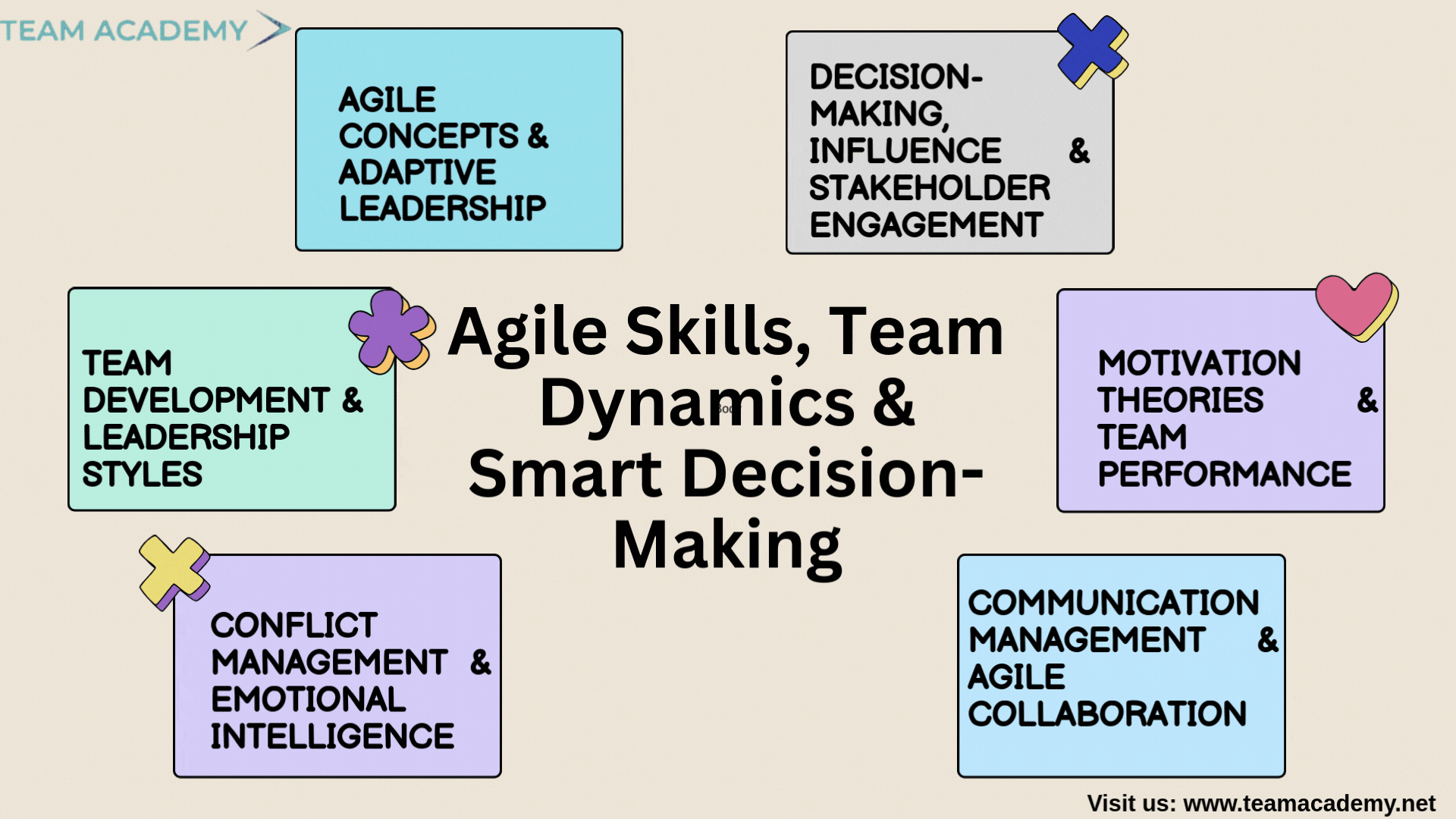
The journey toward project management mastery is shaped not just by processes and tools, but by leadership, communication, emotional intelligence, and the ability to adapt.
This session explored essential concepts from Modules 3–5 of a PMB examination course, focusing on Agile methodology, team dynamics, conflict management, and decision-making strategies — all crucial for excelling in real-world project environments and certification exams.
🌀 Agile Concepts & Adaptive Leadership
The class began by reviewing Module 3, which covers nearly 40% of exam questions and forms the foundation of Agile thinking. Key insights included:
✔️ Understanding Agile values, principles, and delivery cycles
✔️ Tailoring project approaches based on context rather than using a one-size-fits-all method
✔️ Leadership versatility across Agile and predictive projects
✔️ Importance of collaboration, emotional intelligence, and problem-solving
✔️ How Agile teams emphasize transparency, early value delivery, and customer engagement
Participants also learned that Modules 4 and 5, while lighter, are high-scoring areas that help build exam confidence.
👥 Team Development & Leadership Styles
The discussion moved into the classic five stages of team development:
Forming
Storming
Norming
Performing
Adjourning
Teams in the performing stage operate independently, enabling the project manager to adopt a laissez-faire style, providing guidance without micromanagement.
Leadership styles explored:
🧑✈️ Directive – clear instructions, urgent decisions
🧘♂️ Servant Leadership – empowering & enabling the team
🧠 Situational Leadership – adapting to the team’s maturity level
🤝 Consultative – collaborative decision-making
Participants were reminded that the best leaders flex between styles depending on the needs of the project.
⚡ Conflict Management & Emotional Intelligence
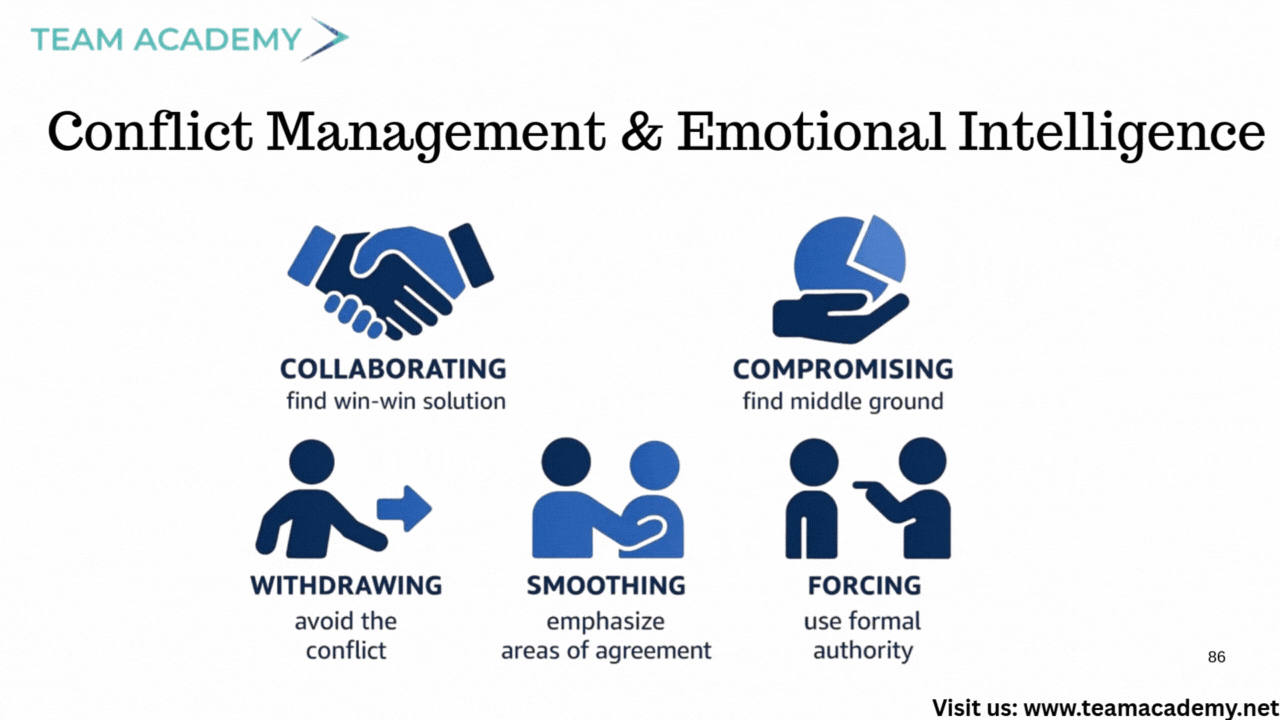
Conflicts are inevitable — and healthy when addressed early.
Key takeaways:
🔍 Five conflict resolution strategies:
Collaborate, Compromise, Smooth, Force, Avoid💡 Addressing conflicts early prevents escalation through 5 levels of intensity
🧠 Emotional intelligence improves stakeholder engagement and team trust
👂 Active listening and empathy are essential tools for resolution
Rather than exerting authority, the modern project manager focuses on influence over power.
🧾 Communication Management & Agile Collaboration
Effective communication can determine a project's success.
Key concepts covered:
📨 Formal vs. informal, verbal vs. written communication
💬 Agile’s preference for interactive communication
📊 Information radiators:
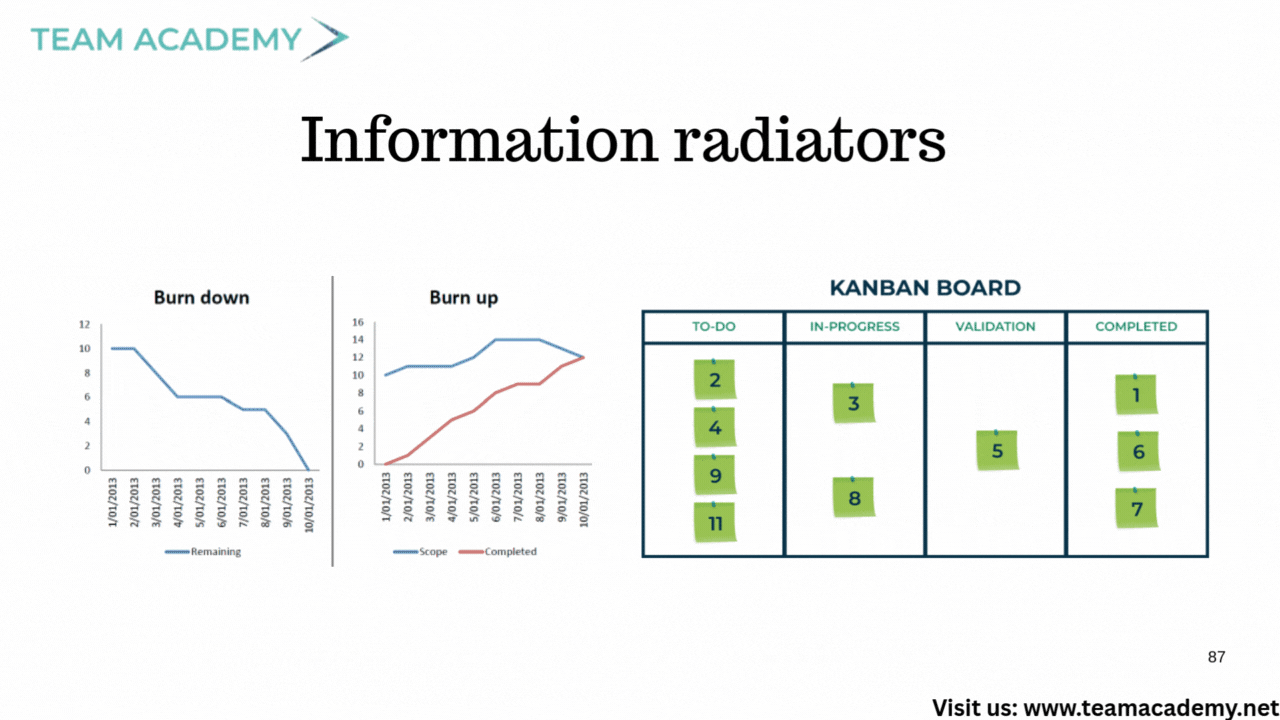
Burn-down charts
Burn-up charts
Kanban boards
Daily stand-ups
🏛️ Project Management Information Systems (PMIS) such as SharePoint, Google Drive, Aconex
🗄️ Configuration management vs. change management
(version control, revision tracking, product change control)
Participants learned how Agile team spaces use "caves and commons" — spaces for deep work and collaborative brainstorming.
📚 Motivation Theories & Team Performance
The session emphasized how motivation influences productivity, covering:
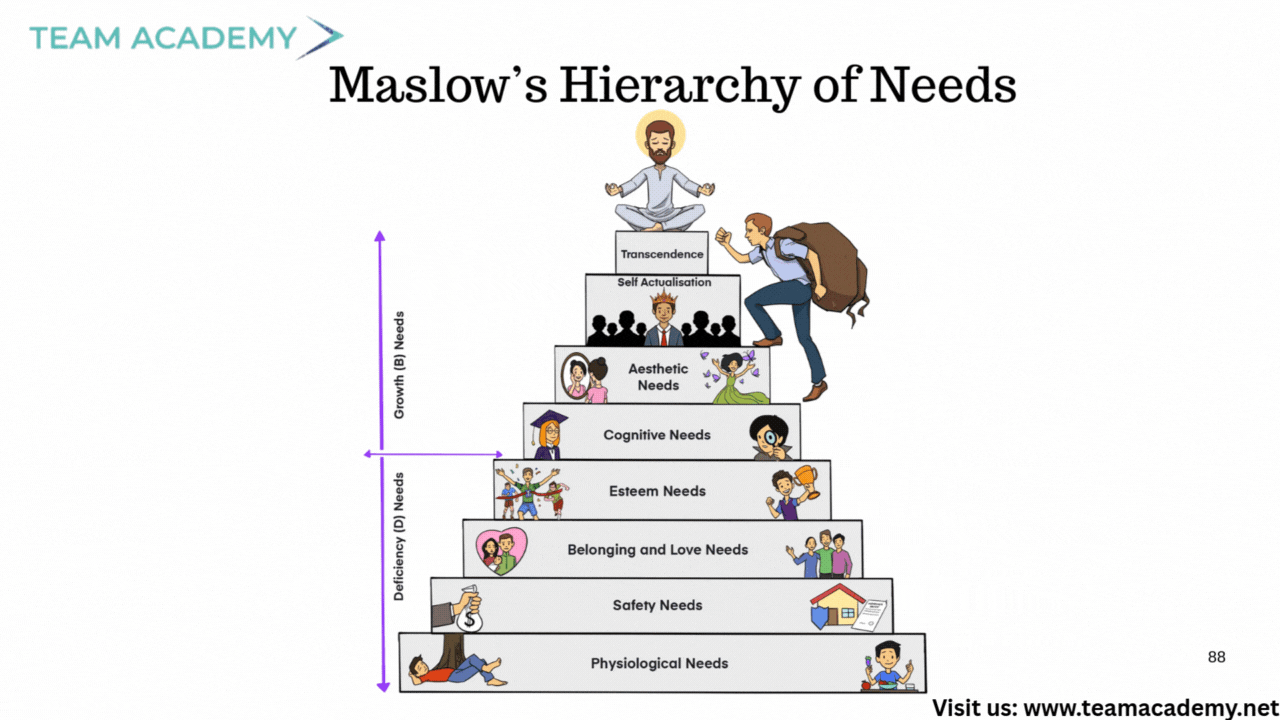
🔼 Maslow’s Hierarchy of Needs
🧼 Hygiene–Motivator Theory (Herzberg)
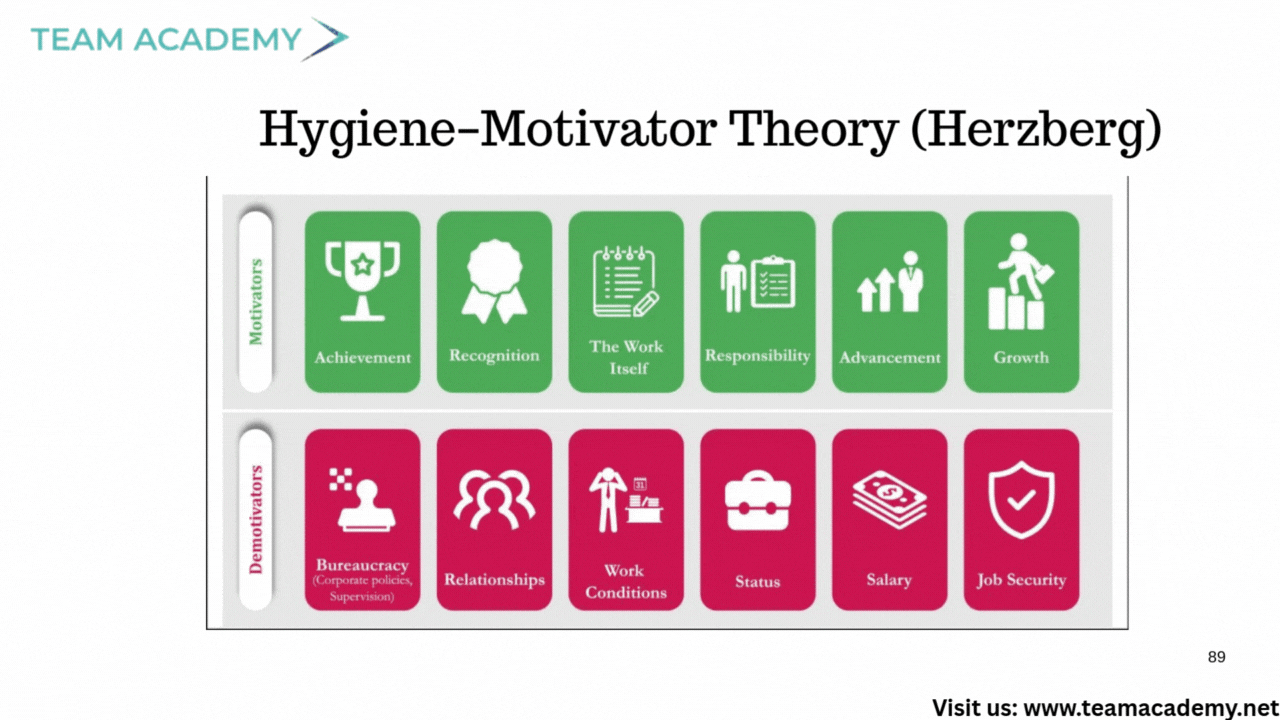
👤 McGregor’s Theory X & Theory Y
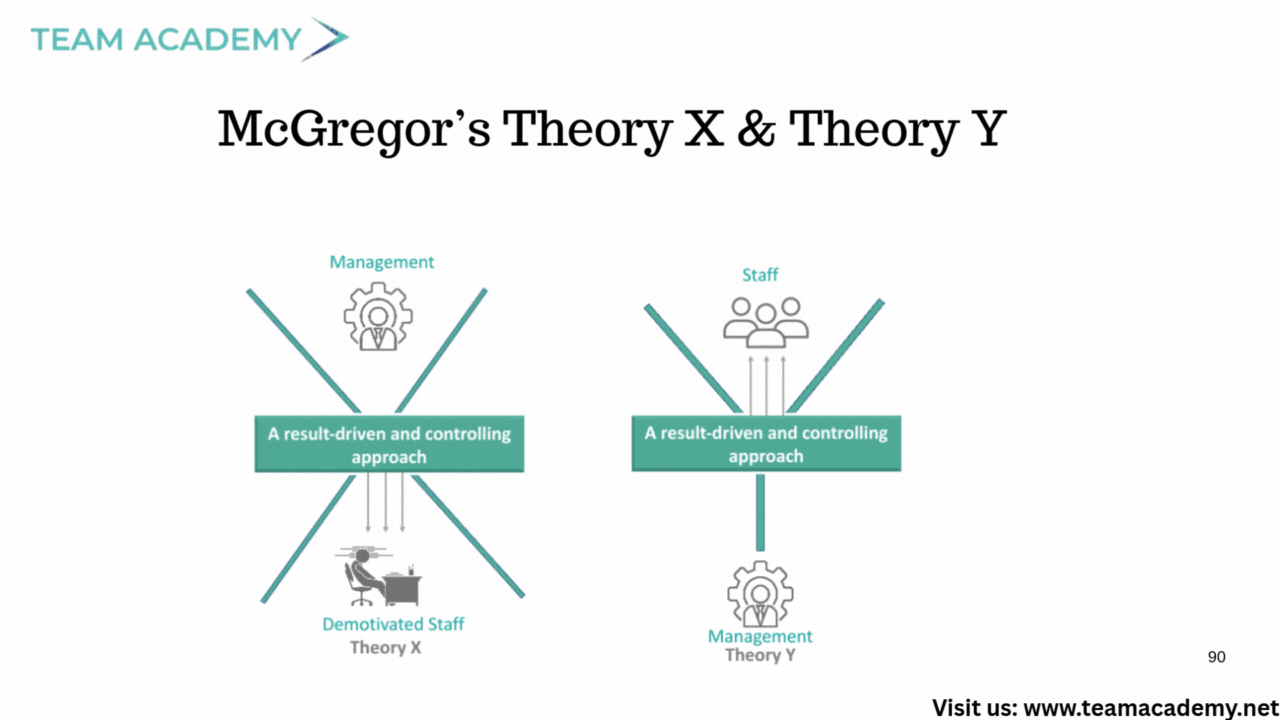
🏢 Theory Z – fostering long-term commitment through employee ownership
🎖️ Types of power: reward, legitimate, referent, expert, and more
Participants learned to build psychologically safe teams where members feel confident expressing ideas and taking initiative.
🧮 Decision-Making, Influence & Stakeholder Engagement
A structured approach to decision-making strengthens project outcomes:
📝 Analyze the problem
🎯 Evaluate impacts
🗣️ Engage stakeholders
⚠️ Consider risks
✔️ Document and communicate decisions
Communication styles must be adjusted to meet stakeholder needs, ensuring clarity, alignment, and trust.
Negotiation techniques centered on:
🤝 Win–win solutions
🚫 Avoiding win–lose situations
👥 Understanding stakeholder engagement metrics
📘 Continuous Improvement Through Training & Coaching
The session closed by emphasizing the value of:
🧑🏫 Coaching
🎓 Training
👥 Mentoring
📊 Conducting gap analyses
📅 Scheduling training close to implementation
📈 Measuring training outcomes for effectiveness
The group was reminded that continuous improvement strengthens team capability and enhances organizational maturity.
👉 Join a Free Demo Class
👉 Enroll in our Project Management Programs to master predictive, Agile, and hybrid approaches.
👉 Explore now to deepen your skills and stay ahead in your career